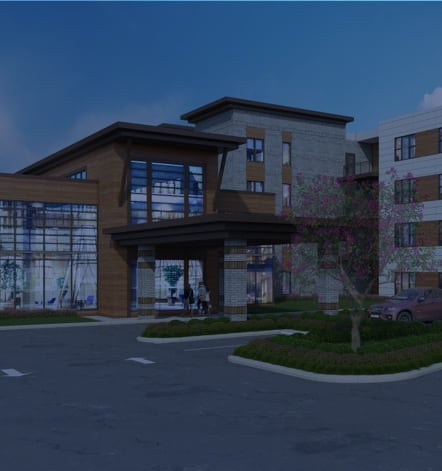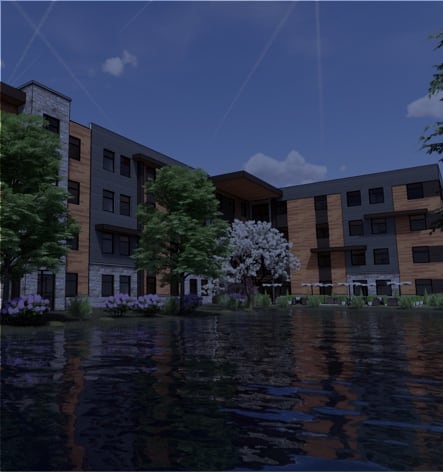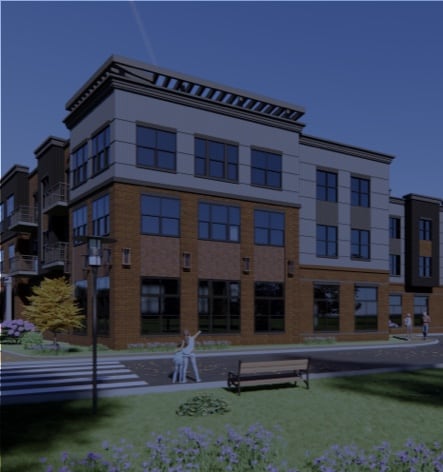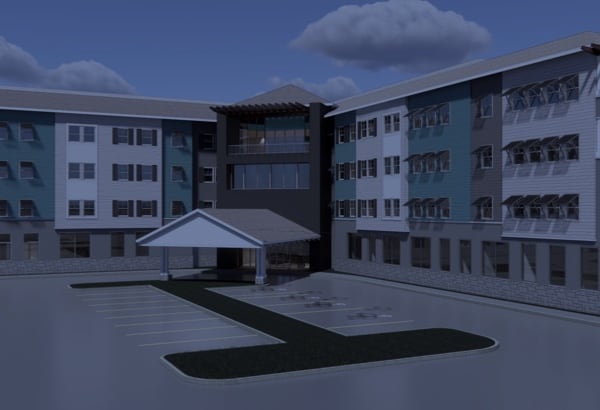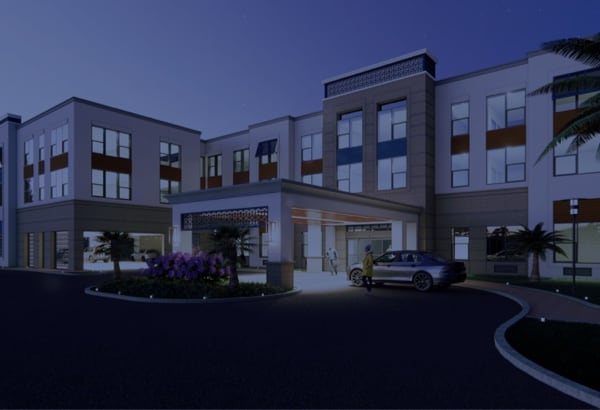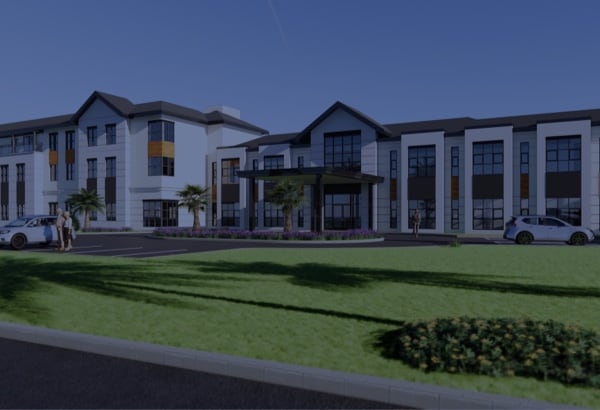
Smiling older adult sitting comfortably in a modern independent living community common area, representing senior living development.
Key Takeaways
- Independent living is a lifestyle-focused model built for active, self-sufficient seniors.
- Thorough market analysis and site selection lay the groundwork for a strong investment.
- Understanding your revenue model before you break ground protects your long-term returns.
- Consistent senior living management keeps residents satisfied and operations running smoothly.
- The right development partner can guide you from concept to a market-ready community.
What Independent Living Really Means
You’ve probably heard the term “independent living” tossed around in senior housing conversations, but what does it actually look like on the ground? If you’re thinking about investing in or developing a senior living community, getting clear on this model is where everything starts.
Distinctive Living Development works with investors at every stage of this process, from early concept through fully operational communities. And if you’re weighing your options, it helps to first understand the types of senior living communities available before zeroing in on independent living.
Independent living is a lifestyle-focused model designed for healthy, active seniors who want connection, convenience, and freedom from the demands of homeownership, without intensive medical or care support. It’s one of the most accessible entry points in senior living community building, and when done right, it can form a strong financial foundation for your investment.
Who It’s Designed For
Independent living is built for seniors who are largely self-sufficient but ready for a change of pace. They want social connection, engaging programming, and the ease of a well-managed community—not clinical oversight. Think of it as trading a house full of maintenance headaches for a vibrant, supportive environment where life feels a little lighter.
These residents are motivated by lifestyle, not medical need. That distinction shapes everything, from how you staff the community to how you market it.
Why It’s a Smart Investment in 2026
Demand for senior living community buildings continues to climb. The population of adults 75 and older is growing steadily, and many of them are actively looking for communities that match their lifestyle goals. Independent living communities typically have lower staffing ratios than higher-care models, which can make them easier to operate and scale.
That combination of rising demand and operational efficiency is worth paying attention to, and you can explore more about why 2026 is a strong time to build in the senior living space.
Key Steps in the Development Process
Getting from idea to open doors takes more than a good location and solid funding. The development process moves through several phases, and skipping steps early on tends to create bigger problems later. Starting with a well-defined concept and community vision gives every phase that follows a clear direction.
Market Analysis and Site Selection
Before you pick a plot of land, you need to understand the market around it. That means researching the local senior population, evaluating demand data, and identifying gaps that your community can realistically fill. A site that looks promising on paper might sit in an already saturated market or in an area with strong, unmet demand just waiting to be tapped. A solid site development plan can help you think through all of those variables before committing.
Good site selection is about matching your vision to a real community need. That alignment is what sets a thriving community apart from one that struggles to fill units.
Conceptual Design and Community Development
Once the market picture is clear, the design phase brings your concept to life. Layout, services, and programming should all reflect what your target residents actually want from their day-to-day experience. A community built around hospitality and meaningful engagement—not just square footage—tends to attract and retain residents more effectively. Reviewing key design factors for senior living communities early in this phase can save you from costly revisions down the road.
Planning your programming and hospitality approach from the ground up, rather than as an afterthought, makes a noticeable difference in how residents feel about where they live.

Investment Considerations for Senior Living Community Building
Independent living can be a rewarding investment, but it rewards those who plan carefully. Before breaking ground, it’s worth taking a hard look at your revenue model, your operational costs, and your timeline for financial performance. If you’re still evaluating whether this asset class fits your portfolio, senior living’s resilience as an investment compared to other commercial real estate is a useful data point to consider.
Revenue and Financial Planning
Independent living communities typically generate income through a hospitality-driven model—think residence fees, service packages, and programming offerings. Unlike higher-care models, the focus is less on clinical services and more on lifestyle value.
That means your revenue strategy should reflect what residents are willing to pay for a great living experience. Digging into revenue development strategies for senior living can help you build a more sustainable financial model from the start.
Risk and Community Development Strategy
Every development carries risk, but early, thorough planning can reduce a lot of it. Aligning your investment goals with the real market helps keep your project on solid ground. A well-researched community development strategy accounts for phasing, occupancy ramp-up, and operational costs long before the first resident moves in. The NIC Investment Guide offers market-level data that can strengthen your planning process during this stage.
The Role of Senior Living Management
Opening a community is one milestone—running it well over time is the real work. Strong senior living management keeps daily operations consistent, supports your team, and puts the resident experience at the center of every decision. That consistent oversight directly influences how long residents stay and how your community’s reputation grows.
What Effective Management Looks Like
Effective management means clear performance systems, well-supported teams, and a genuine commitment to resident satisfaction. When those pieces are in place, small issues get caught before they become big ones, and residents feel the difference in their daily lives. Taking a closer look at what makes senior living communities profitable can also sharpen how you think about long-term operational performance.
When to Bring in a Development Partner
Many investors find that partnering with an experienced development team helps bridge the gap between a strong concept and a fully operational community. A hands-on partner can guide you through each phase, from market analysis to management, and help you avoid the missteps that come from navigating unfamiliar territory alone. You can learn more about why investors choose Distinctive Development as their development partner.
How to Position Your Community for Long-Term Success
The senior living landscape keeps evolving, and the communities that do well are the ones that stay connected to what residents actually want. Building a reputation through genuine hospitality, active community engagement, and thoughtful programming creates lasting value—for residents and ownership alike. Senior Housing News is a solid resource for staying current on market shifts and industry trends that can inform how you position your community over time.
Distinctive Living Development works with investors and communities to do exactly that, from the earliest concept stages through ongoing operations. If you’re ready to take the next step in senior living community building, reaching out to a knowledgeable development planning partner is a great place to start.